
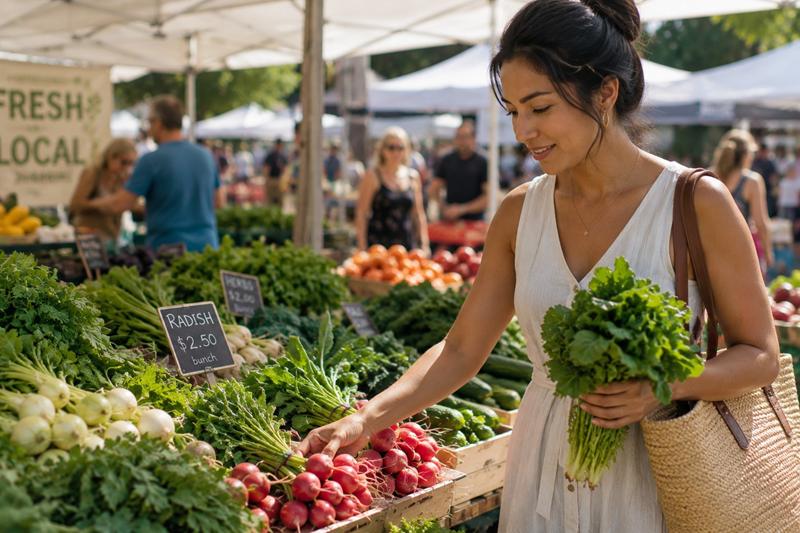
How to Shop Smarter at Your Local Farmers Market
There’s something special about visiting a local farmers’ market. The colorful displays of fresh fruits and vegetables, the scent of freshly baked bread, and the opportunity to meet the people who grow your food create an experience that can’t be replicated in a grocery store.
But a successful trip to the farmers’ market isn’t about filling your bags with everything that catches your eye. It’s about shopping with intention. A little planning can help you enjoy fresher meals, waste less food, and make the most of every dollar you spend.
Let the Season Guide Your Menu
One of the biggest differences between a farmers’ market and a grocery store is that you can’t always predict what you’ll find. Weather, growing conditions, and harvest schedules all influence what’s available from week to week.
Instead of arriving with a rigid meal plan, let the market inspire your menu. Take a walk through the market before making any purchases. Notice what’s abundant, ask vendors what’s at its peak, and build your meals around the freshest produce.
If beautiful tomatoes, basil, and sweet corn are everywhere, you’ve already got the beginnings of several delicious meals. Fresh peaches might become tomorrow’s breakfast, an afternoon snack, or a simple dessert after dinner.
Shopping this way allows the season to guide your choices while introducing your family to ingredients at their very best.
Buy With a Purpose
It’s easy to fall in love with beautiful produce, but remember that fresh fruits and vegetables have a limited shelf life.
Before adding something to your basket, ask yourself how you’ll use it over the next several days. Can one ingredient appear in multiple meals?
A basket of tomatoes might become BLTs one evening, a pasta dish the next night, and salads for lunch. Bell peppers can be used in omelets, fajitas, stir-fries, and salads. Buying versatile ingredients helps stretch your grocery budget while reducing waste.
Think Beyond Tonight’s Dinner
As you shop, consider how today’s purchases will carry you through the week.
Some produce, such as berries, leafy greens, and fresh herbs, should be enjoyed within the first few days. Other items, including onions, potatoes, squash, carrots, and certain varieties of apples, will keep much longer.
Planning the order in which you’ll use your produce helps prevent forgotten vegetables from ending up in the compost bin.
Take One Lap Before You Buy
One of the smartest habits at any farmers’ market is simply slowing down.
Walk through the entire market before making your purchases. You may discover another vendor with a different variety, a better price, or produce that looks fresher. Taking a few extra minutes allows you to compare quality and make thoughtful decisions instead of impulse purchases.
Talk to the Farmers
One of the greatest benefits of shopping locally is having direct access to the people who grew your food.
Don’t hesitate to ask questions.
Which tomatoes are best for sandwiches? Which peaches are ripe today? How should you store fresh herbs? What’s expected to be available next week?
Most farmers are happy to share their knowledge, and those conversations often lead to better meals and a greater appreciation for seasonal eating.
A Bargain Isn’t Always a Bargain
It can be tempting to buy the largest basket simply because it offers the best price.
But if you can’t use it before it spoils, it’s no bargain at all.
Buying a smaller amount that your family will actually enjoy often saves more money than purchasing extra produce that ends up being thrown away.
Store Your Produce Properly
Fresh produce lasts longer when it’s stored correctly.
Wait to wash berries until you’re ready to eat them. Keep leafy greens dry and refrigerated. Store fresh herbs in a glass with a little water, much like a bouquet of flowers. Tomatoes generally retain their best flavor when kept at room temperature until fully ripe.
Just a few minutes of proper storage can extend the life of your produce and help reduce food waste throughout the week.
Leave Room for One Treat
Shopping with intention doesn’t mean taking all the fun out of the experience.
Once you’ve picked up the ingredients you’ll use for your meals, consider treating yourself to one special purchase. It might be a bouquet of locally grown flowers, a jar of honey, fresh-baked bread, handmade jam, or a fruit you’ve never tried before.
Supporting local vendors while allowing yourself one seasonal indulgence makes each market visit feel like a small celebration.
Shop With Intention
The smartest farmers’ market shoppers aren’t necessarily the ones who spend the least. They’re the ones who shop thoughtfully.
They let the season inspire their meals. They choose ingredients they know they’ll use. They understand that fresh food is meant to be enjoyed, not forgotten in the back of the refrigerator.
The next time you visit your local farmers’ market, don’t go looking for a shopping list to complete. Go looking for inspiration. You may come home with fresher meals, less food waste, and a deeper appreciation for the farmers who make it all possible.
